

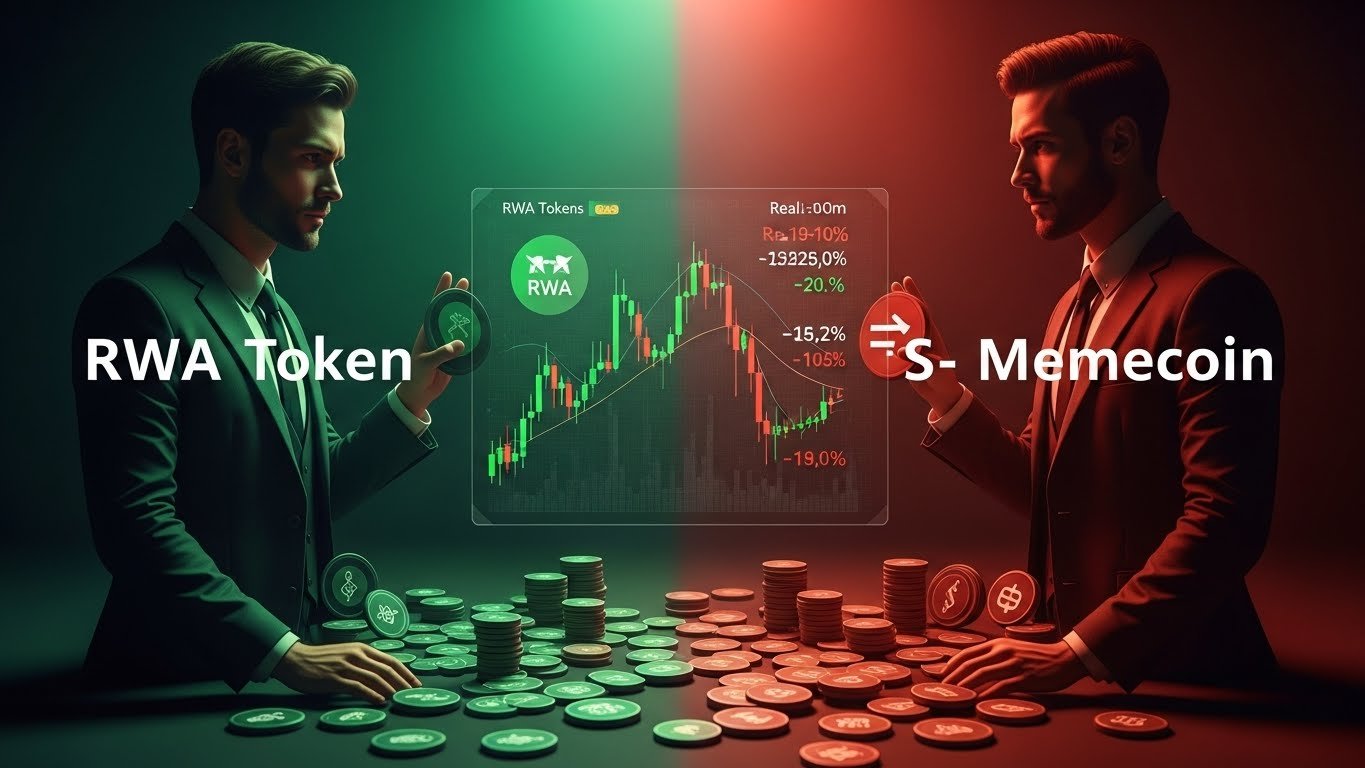
The cryptocurrency market is once again undergoing a major shift, and this time the spotlight is firmly on real-world asset tokens. While speculative sectors like memecoins are experiencing sharp declines, asset-backed digital tokens have emerged as the strongest performers, posting gains of up to 185% in a relatively short period. This dramatic divergence highlights a growing maturity within the crypto ecosystem, where investors are increasingly prioritizing tangible value, regulatory clarity, and sustainable use cases over hype-driven narratives.
Real-world asset tokens represent a bridge between traditional finance and blockchain technology. By tokenizing physical and financial assets such as real estate, commodities, bonds, and invoices, these tokens introduce transparency, liquidity, and accessibility into markets that were previously slow-moving and exclusive. As memecoins tumble under the weight of speculative exhaustion, real-world asset tokens are benefiting from renewed investor confidence and institutional interest.
This article explores why real-world asset tokens are leading the crypto market, how they achieved such impressive gains, and what this trend means for the future of digital assets. From macroeconomic drivers to technological advancements and regulatory momentum, the rise of asset tokenization may mark one of the most important transitions in crypto history.
Understanding Real-World Asset Tokens
What Are Real-World Asset Tokens
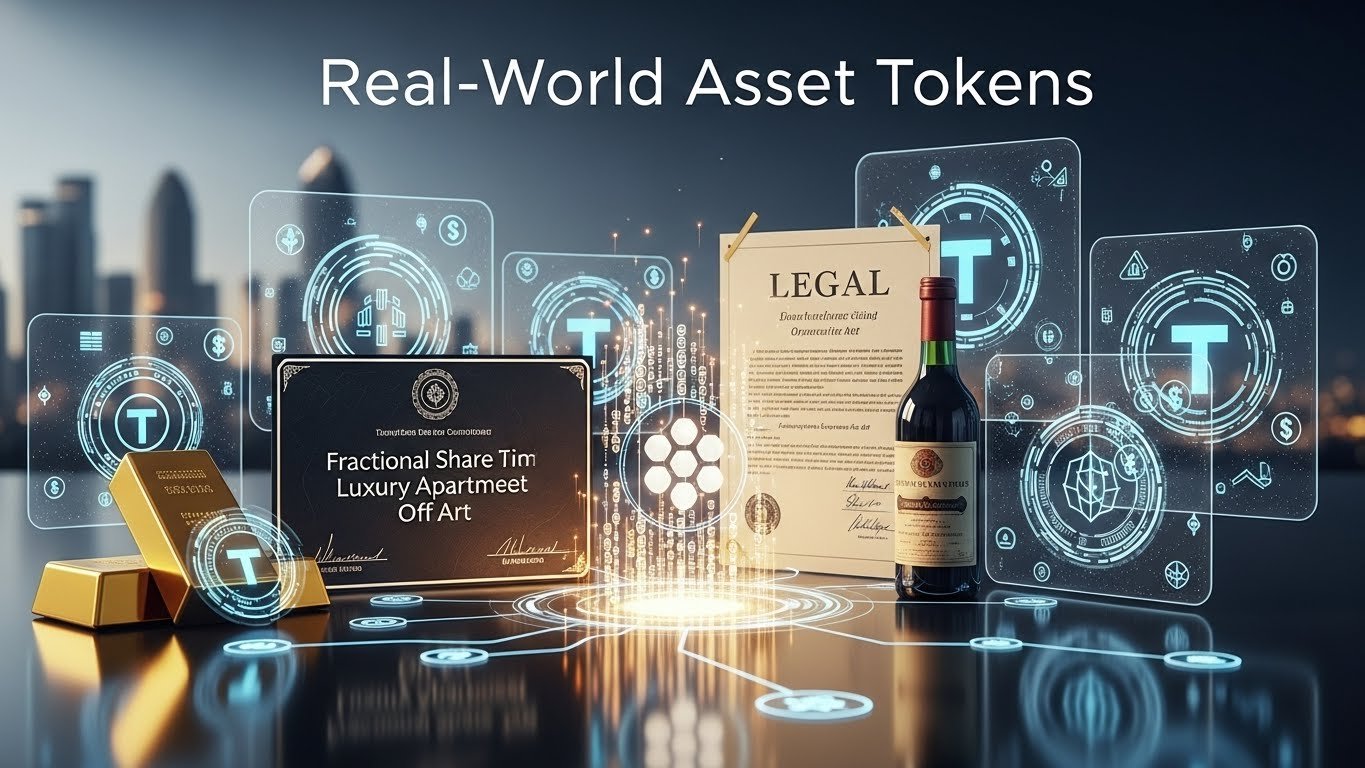
Real-world asset tokens are blockchain-based representations of tangible or traditional financial assets. These assets can include real estate properties, precious metals, government bonds, corporate debt, commodities, and even intellectual property. Through blockchain tokenization, ownership rights are digitally recorded and divided into tokens that can be traded on decentralized or regulated platforms.
Unlike purely digital cryptocurrencies, real-world asset tokens derive their value from underlying physical or financial assets. This connection to real-world value provides stability and predictability, qualities that many investors seek during volatile market conditions. As a result, real-world asset tokens are increasingly viewed as a safer and more practical entry point into the crypto market.
How Tokenization Works in Practice
Tokenization involves legally binding frameworks that connect blockchain tokens to real-world ownership rights. Smart contracts manage issuance, transfers, and compliance, while custodians or trustees ensure that the underlying asset exists and is properly maintained. This fusion of technology and legal infrastructure allows investors to trade fractions of high-value assets without intermediaries.
The process reduces barriers to entry and enhances liquidity in traditionally illiquid markets. For example, a commercial building that once required millions of dollars to invest in can now be accessed through fractional ownership using asset-backed tokens. This innovation has significantly expanded the appeal of tokenized real-world assets across both retail and institutional investors.
The 185% Surge Explained
Market Performance and Key Metrics
The recent 185% surge in real-world asset tokens reflects a combination of increased demand, limited supply, and growing recognition of their long-term value. While broader crypto indices remained flat or declined, asset-backed tokens consistently outperformed major digital assets and speculative categories.
This performance is not driven by short-term hype alone. On-chain data shows increased transaction volumes, longer holding periods, and steady capital inflows into real-world asset token projects. These indicators suggest a structural shift rather than a temporary trend, reinforcing the idea that real-world asset tokens are becoming a core segment of the crypto market.
Investor Sentiment and Risk Rebalancing
As memecoins tumble, investors are rebalancing their portfolios toward assets with tangible backing and clearer economic models. The collapse of speculative narratives has led many market participants to reassess risk exposure, favoring projects with real revenue streams and transparent valuation mechanisms.
Real-world asset tokens align well with this changing sentiment. Their ability to generate yield, preserve capital, and provide exposure to traditional markets makes them attractive during periods of uncertainty. This shift in investor psychology has played a crucial role in driving the 185% gains observed across the sector.
Why Memecoins Are Tumbling
Speculative Fatigue in the Market
Memecoins have long been associated with viral marketing, community hype, and rapid price movements. While these factors can generate explosive rallies, they often lack sustainability. As market conditions tighten, speculative fatigue sets in, leading to sharp corrections and declining interest.
The recent downturn in memecoins reflects this reality. Without fundamental value or long-term utility, many memecoin projects struggle to retain investor confidence once momentum fades. This has accelerated capital rotation into more stable sectors such as real-world asset tokens.
Regulatory and Market Pressures
Increased regulatory scrutiny has also contributed to the decline of memecoins. Authorities are paying closer attention to projects that lack transparency or clear use cases, creating uncertainty around compliance and future viability. At the same time, institutional investors tend to avoid assets that carry reputational or regulatory risks.
In contrast, asset-backed tokens often operate within defined legal frameworks and emphasize compliance. This distinction further explains why memecoins are tumbling while regulated tokenized assets continue to gain traction.
Institutional Adoption and Its Impact
Why Institutions Favor Real-World Asset Tokens
Institutional investors are increasingly entering the crypto space, but their preferences differ significantly from retail traders. Institutions prioritize risk management, regulatory clarity, and predictable returns. Real-world asset tokens meet these criteria by offering exposure to familiar asset classes through innovative technology.
By integrating blockchain with traditional finance, asset-backed tokens enable institutions to diversify portfolios while benefiting from increased efficiency and transparency. This growing institutional participation has injected substantial capital into the sector, fueling the impressive gains seen in real-world asset token markets.
The Role of Traditional Finance Integration
The integration of traditional financial instruments into blockchain ecosystems has strengthened the credibility of real-world asset tokens. Partnerships between fintech firms, asset managers, and blockchain platforms have created robust infrastructures that support large-scale adoption.
This convergence has reduced friction between legacy systems and decentralized technologies, making it easier for institutions to participate. As a result, tokenized financial assets are no longer viewed as experimental but as viable components of modern investment strategies.
Technological Advancements Driving Growth
Smart Contracts and Automation
Smart contracts play a vital role in the success of real-world asset tokens. They automate processes such as dividend distribution, compliance checks, and ownership transfers, reducing operational costs and human error. This efficiency enhances trust and scalability, key factors in attracting long-term investment.
Advanced smart contract frameworks also enable complex financial products, including yield-bearing tokens and collateralized lending. These innovations expand the utility of real-world asset tokenization, making it more appealing to a diverse range of investors.
Blockchain Scalability and Security
Improvements in blockchain scalability and security have further supported the growth of asset-backed tokens. Faster transaction speeds, lower fees, and enhanced security protocols make tokenized assets more practical for everyday use and large-volume trading.
As infrastructure continues to evolve, the barriers that once limited adoption are steadily diminishing. This technological progress underpins the sustained momentum behind real-world asset tokens and reinforces their competitive advantage over speculative alternatives.
Regulatory Momentum and Legal Clarity
Evolving Global Regulations
Clearer regulatory frameworks are emerging across multiple jurisdictions, providing guidelines for asset tokenization and digital securities. These developments have reduced uncertainty and encouraged responsible innovation within the crypto space.
Regulatory clarity benefits real-world asset tokens by legitimizing their use and attracting cautious investors. Compliance-focused projects are now able to operate with greater confidence, contributing to the sector’s rapid expansion and strong market performance.
Compliance as a Competitive Advantage
Projects that prioritize compliance and transparency are gaining a significant edge. By adhering to legal standards, they build trust with investors and regulators alike. This trust translates into increased adoption and long-term sustainability. In contrast to memecoins, which often operate in regulatory gray areas, compliant real-world asset tokens are positioned for enduring success in an increasingly regulated environment.
Long-Term Implications for the Crypto Market

A Shift Toward Utility-Driven Growth
The rise of real-world asset tokens signals a broader shift toward utility-driven growth within the crypto market. Investors are increasingly valuing projects that solve real problems and integrate seamlessly with existing financial systems. This evolution suggests that the future of crypto will be shaped less by speculation and more by practical applications. As memecoins tumble, asset-backed blockchain solutions are setting new standards for value creation.
Redefining Portfolio Diversification
Real-world asset tokens offer unique diversification opportunities by combining the benefits of traditional assets with blockchain efficiency. This hybrid nature allows investors to hedge risk while accessing innovative financial products. As awareness grows, these tokens are likely to become a staple in diversified portfolios, further solidifying their role as market leaders.
Conclusion
The crypto market is undergoing a meaningful transformation, and real-world asset tokens are at the forefront of this change. With gains reaching 185%, these tokens have demonstrated resilience, practicality, and long-term potential at a time when memecoins are tumbling under speculative pressure. Driven by institutional adoption, technological advancements, and regulatory clarity, real-world asset tokens represent a maturing phase of the blockchain industry.
As investors seek stability and tangible value, asset-backed tokens are redefining what success looks like in the crypto market. While volatility will always be part of the ecosystem, the growing dominance of real-world asset tokenization suggests a future where blockchain innovation is grounded in real economic utility.
FAQs
Q: What makes real-world asset tokens outperform other crypto sectors
Real-world asset tokens outperform because they are backed by tangible or financial assets, providing intrinsic value, stability, and predictable returns. This foundation attracts long-term investors and institutions, especially during periods of market uncertainty.
Q: Why are memecoins tumbling while asset-backed tokens rise
Memecoins rely heavily on hype and speculation, which fades over time. As investors shift toward utility and compliance, capital flows away from speculative assets and into real-world asset tokens with sustainable use cases.
Q: Are real-world asset tokens suitable for long-term investment
Yes, they are generally considered suitable for long-term investment due to their connection to real assets, regulatory focus, and growing institutional adoption. However, investors should still conduct thorough research.
Q: How do regulations affect the growth of real-world asset tokens
Clear regulations enhance trust and legitimacy, making it easier for projects to attract institutional capital. Regulatory momentum has been a key driver behind the recent growth of tokenized real-world assets.
Q: Will real-world asset tokens continue to lead the crypto market
While market conditions can change, current trends suggest that real-world asset tokens are well-positioned to remain leaders due to their utility-driven model, technological innovation, and alignment with global financial systems.
