


The Museum of Modern Art (MoMA) has taken a groundbreaking step in the evolution of art curation by acquiring CryptoPunks and Chromie Squiggles NFTs for its permanent collection. This landmark acquisition highlights the growing legitimacy of digital art and NFTs (non-fungible tokens) as cultural artifacts and signals the mainstream adoption of blockchain-based creativity. By integrating these iconic digital assets, MoMA demonstrates its commitment to preserving innovative art forms while bridging the gap between traditional and digital artistic expressions.
CryptoPunks and Chromie Squiggles have emerged as cultural symbols within the NFT ecosystem. CryptoPunks, a collection of 10,000 unique 24×24 pixel characters, represent one of the earliest successful NFT projects on the Ethereum blockchain. Chromie Squiggles, created by art collective Snowfro, offer colorful, generative designs that reflect the potential of algorithmically driven digital creativity. Their inclusion in MoMA’s permanent collection not only legitimizes these projects but also opens doors for further integration of digital assets into the traditional art world.
This article explores the significance of MoMA’s NFT acquisition, analyzing the cultural, technological, and financial implications. We examine the history of CryptoPunks and Chromie Squiggles, the broader impact on the art world, the evolving role of NFTs, and the potential future of digital art curation.
The Significance of MoMA’s NFT Acquisition
Embracing Digital Art Innovation
MoMA’s decision to acquire NFTs represents a pivotal moment in the recognition of digital art as a legitimate medium. Historically, museums have been tasked with preserving works that reflect cultural, historical, and aesthetic significance. By integrating NFTs like CryptoPunks and Chromie Squiggles, MoMA acknowledges the transformative impact of blockchain technology on artistic creation and ownership.
The acquisition signals a broader institutional acceptance of NFTs, which have often been viewed as speculative financial instruments. By curating these works, MoMA emphasizes their cultural and artistic value, highlighting the convergence of technology, creativity, and social commentary.
Preserving Cultural and Historical Context
NFTs like CryptoPunks and Chromie Squiggles are more than digital images; they represent historical milestones in blockchain innovation and the emergence of decentralized art communities. CryptoPunks, for instance, were among the first generative art projects on Ethereum, pioneering the concept of digital scarcity and collectibility. Chromie Squiggles, on the other hand, explore generative aesthetics, demonstrating how algorithms can produce diverse and unique artworks.
By adding these NFTs to its permanent collection, MoMA ensures that future generations can study and appreciate the evolution of digital art and its influence on contemporary culture. This acquisition preserves not just the artwork itself but the broader narrative of NFT history and innovation.
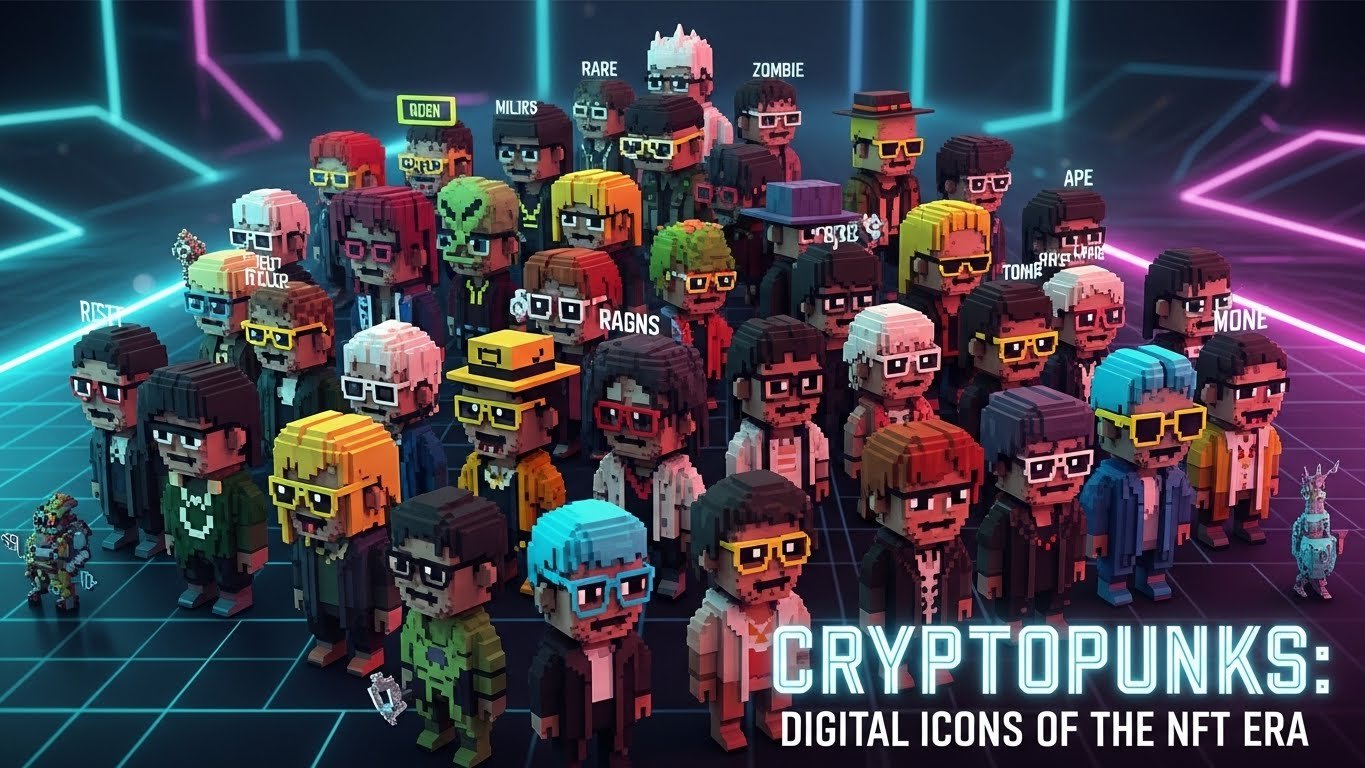
CryptoPunks: Digital Icons of the NFT Era
Origins and Cultural Impact
CryptoPunks, created by Larva Labs in 2017, consist of 10,000 unique characters with distinct traits, making each one highly collectible. Initially distributed for free, these pixelated characters quickly became sought-after digital assets, driving early interest in NFTs and blockchain-based art. Their limited supply and pioneering status have made CryptoPunks cultural icons and status symbols within the digital art community.
The collection’s impact extends beyond mere aesthetics. CryptoPunks challenged traditional notions of ownership, proving that digital art could carry scarcity, provenance, and investment value. Their adoption by collectors, influencers, and mainstream audiences helped catalyze the broader NFT boom and influenced subsequent generations of digital art projects.
Market Influence and Value
CryptoPunks have also set benchmarks for value in the NFT market. Rare traits and historical significance have driven some Punks to sell for millions of dollars, making them not only artistic symbols but also significant financial assets. This dual role—as art and investment—underscores the evolving nature of NFTs and their potential to intersect with both cultural and economic spheres.
MoMA’s acquisition of CryptoPunks formalizes their recognition as cultural artifacts, validating the artistic and historical importance of these digital pioneers.
Chromie Squiggles: Algorithmic Creativity on Display
Generative Art and Design
Chromie Squiggles, created by Erick Calderon (Snowfro), represent a new frontier in generative art. Unlike static or manually crafted artworks, Chromie Squiggles are algorithmically generated on the Ethereum blockchain, producing endless variations of vibrant, looping lines. Each squiggle is unique, embodying the intersection of art, mathematics, and technology.
Generative art challenges traditional definitions of creativity, emphasizing the role of algorithms and systems in producing aesthetic experiences. By curating Chromie Squiggles, MoMA highlights the potential of algorithmic processes to generate meaningful, culturally significant art.
Impact on NFT Art Trends
Chromie Squiggles have influenced subsequent NFT projects, inspiring artists and developers to explore generative techniques and blockchain-based minting. Their inclusion in MoMA’s collection validates generative art as a legitimate medium, fostering innovation and encouraging broader experimentation within the NFT ecosystem.
NFTs in the Mainstream Art World
Institutional Acceptance and Legitimacy
MoMA’s acquisition reflects a growing trend of mainstream institutions embracing NFTs. Museums, galleries, and cultural organizations increasingly recognize digital assets as culturally and historically significant, capable of representing the intersection of technology, society, and creativity. This shift legitimizes the NFT space and attracts broader audiences interested in the convergence of art, tech, and finance.
Institutional acceptance also enhances public understanding of blockchain technology, provenance, and digital ownership. By curating NFTs, museums like MoMA provide educational opportunities, allowing visitors to engage with the underlying technological and artistic principles.
Market Implications
The inclusion of NFTs in prestigious museum collections impacts the broader NFT market. Institutional validation can increase demand, stabilize valuations, and encourage the creation of new projects with long-term artistic and cultural intent. Moreover, the presence of NFTs in permanent collections positions them alongside traditional masterpieces, elevating their status within the art ecosystem.
Technological Considerations
Blockchain and Provenance
One of the defining features of NFTs is blockchain-based provenance, which allows collectors to verify authenticity and ownership. MoMA’s acquisition of CryptoPunks and Chromie Squiggles leverages this transparency, ensuring the artworks’ histories are permanently recorded on the Ethereum blockchain. This technology addresses long-standing challenges in the art world, such as forgery and provenance disputes, while introducing new standards for digital collection.
Digital Display and Preservation
Displaying NFTs in a museum context requires integrating digital infrastructure, including screens, interactive exhibits, and networked displays. MoMA’s curation strategy demonstrates how traditional museums can adapt to showcase digital art effectively, blending physical and digital experiences to engage audiences. Preservation also involves securing the underlying blockchain records and ensuring access to the artwork over time.
Cultural and Community Impact
Engaging New Audiences
NFTs have cultivated vibrant, decentralized communities that actively participate in creation, curation, and discussion. By acquiring NFTs, MoMA taps into these communities, attracting younger, tech-savvy audiences and expanding its cultural reach. This engagement bridges generational and technological divides, fostering a more inclusive understanding of contemporary art.
Fostering Innovation
MoMA’s embrace of NFTs encourages artists, technologists, and institutions to experiment with digital media. The acquisition demonstrates that innovation in art is not confined to traditional media but can thrive in digital ecosystems where creativity, coding, and blockchain intersect.
Future of Digital Art Curation
Integration with Traditional Collections
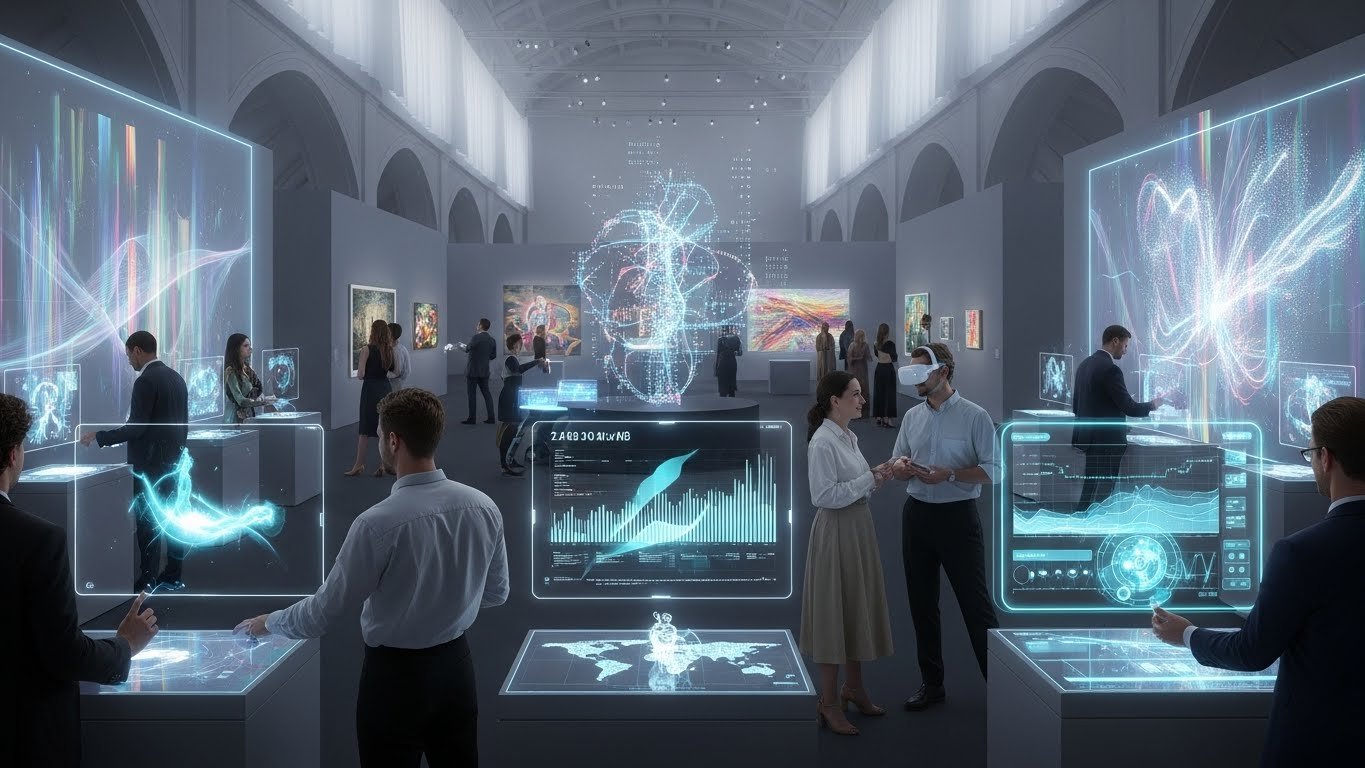
The MoMA acquisition sets a precedent for integrating NFTs alongside traditional artworks, challenging curators to consider new criteria for artistic value, historical significance, and audience engagement. Future curation may include hybrid exhibits combining physical and digital media, interactive installations, and algorithmically generated experiences.
Expansion of NFT Collections
As institutional acceptance grows, museums may expand their NFT collections to include generative art, multimedia projects, and culturally significant blockchain-based works. This evolution reflects the growing recognition of digital creativity as a central component of contemporary artistic practice.
Educational and Research Opportunities
By curating NFTs, MoMA and similar institutions provide opportunities for research, education, and critical discourse. Scholars can study blockchain-based art, collectors can explore provenance systems, and the public can engage with the evolving relationship between technology and creativity.
Conclusion
MoMA’s acquisition of CryptoPunks and Chromie Squiggles NFTs marks a pivotal moment in the evolution of contemporary art. By integrating these digital works into its permanent collection, the museum validates NFTs as culturally and historically significant, bridging the gap between traditional and digital artistic expression. The acquisition highlights the transformative potential of blockchain technology, generative art, and digital ownership, while fostering new audiences, innovation, and scholarly exploration.
This move sets a precedent for future institutional adoption of NFTs, encouraging museums and galleries to embrace emerging forms of creativity. As CryptoPunks and Chromie Squiggles take their place alongside physical masterpieces, the art world acknowledges that digital assets are not only financial instruments but enduring cultural artifacts.
FAQs
Q: Why is MoMA’s acquisition of CryptoPunks and Chromie Squiggles NFTs significant for the art world?
MoMA’s acquisition legitimizes NFTs as culturally and historically significant artworks, demonstrating that digital creations can hold value alongside traditional art and contribute to contemporary artistic discourse.
Q: What makes CryptoPunks iconic within the NFT ecosystem?
CryptoPunks, created by Larva Labs, are among the earliest generative NFT projects on Ethereum. Their unique characters, historical significance, and collectible value make them digital icons and foundational pieces of NFT culture.
Q: How do Chromie Squiggles differ from traditional digital art?
Chromie Squiggles are generative artworks created algorithmically on the Ethereum blockchain. Each piece is unique, highlighting the role of algorithms in producing diverse aesthetic expressions and emphasizing the intersection of art and technology.
Q: How does blockchain technology enhance the value and preservation of NFTs?
Blockchain ensures provenance, authenticity, and ownership transparency, addressing traditional art challenges such as forgery. It allows digital artworks to be securely stored, tracked, and verified over time, enhancing their long-term value.
Q: What future opportunities does MoMA’s NFT acquisition create for artists and institutions?
The acquisition encourages innovation in digital art, fosters engagement with decentralized communities, and sets a precedent for hybrid exhibitions. It opens avenues for research, education, and integration of NFTs into traditional museum practices, expanding the scope of contemporary art curation.
