


The Litecoin community has recently been confronted with renewed controversy after claims circulated online suggesting that Charlie Lee, the creator of Litecoin, regrets creating the cryptocurrency. These statements quickly gained traction across social platforms and discussion forums, sparking debate and uncertainty among investors and long-term supporters. In response, Litecoin Official firmly rejected these allegations, labeling them as malicious slander intended to mislead the public and undermine confidence in the Litecoin ecosystem. The clarification has reignited broader discussions around misinformation, reputation management, and the long-term vision of established blockchain projects.
Litecoin has long been regarded as one of the most enduring cryptocurrencies, often described as the silver to Bitcoin’s gold. Since its launch, it has weathered multiple market cycles, technological shifts, and changes in investor sentiment. Claims that Charlie Lee regrets creating Litecoin strike at the heart of its narrative, making the official response particularly significant. Understanding why such rumors emerge and how they are addressed provides insight into both Litecoin’s resilience and the challenges facing mature crypto networks.
This article examines the origins of the controversial claims, the response from Litecoin Official, Charlie Lee’s historical stance on the project, and the broader implications for Litecoin’s reputation. By exploring the facts behind the allegations and the role of misinformation in crypto markets, readers can gain a clearer understanding of why these statements have been categorically dismissed as slander.
Origins of the Claims Surrounding Charlie Lee and Litecoin
The claims suggesting that Charlie Lee regrets creating Litecoin did not emerge from a single verified source. Instead, they appear to have developed gradually through selective interpretation of past comments, market frustrations, and speculative narratives. Over time, these fragments were amplified and reshaped into a misleading assertion that spread rapidly.
Charlie Lee has been a visible and vocal figure in the crypto space, often sharing candid thoughts about market behavior, development challenges, and community expectations. Some of his nuanced remarks about speculation, responsibility, or personal decisions were taken out of context and repackaged to suggest dissatisfaction with Litecoin’s creation. This pattern is not uncommon in crypto discourse, where partial information can be transformed into sensational claims.
Litecoin Official emphasized that these narratives lack factual basis. By labeling them as malicious slander, the organization highlighted the intentional nature of the misinformation, suggesting that it was designed to harm Litecoin’s credibility rather than contribute to constructive dialogue.
Litecoin Official’s Response and Firm Rebuttal
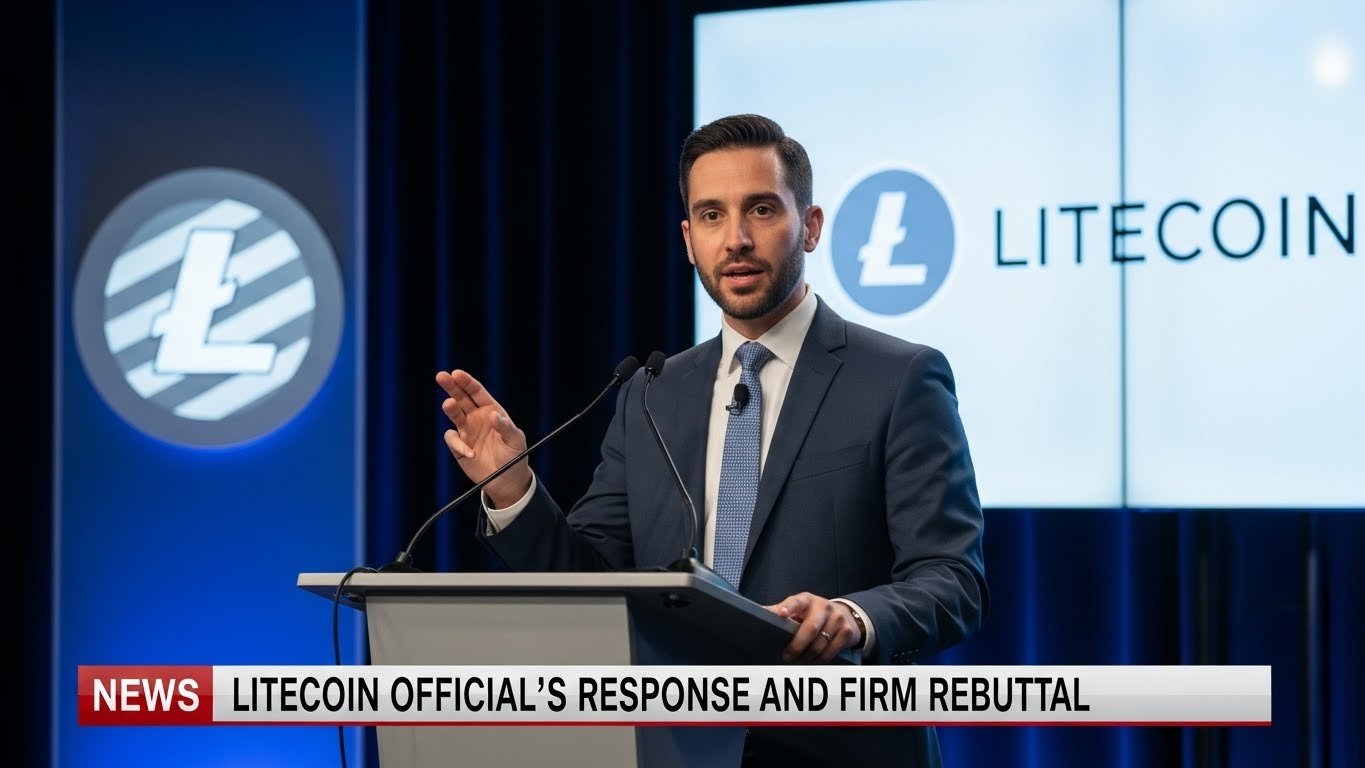
Litecoin Official’s response was swift and unambiguous. The organization categorically denied that Charlie Lee regrets creating Litecoin, stating that such claims are false and damaging. By using strong language, including the term malicious slander, Litecoin Official signaled that the issue goes beyond harmless speculation.
The rebuttal focused on reaffirming Charlie Lee’s continued support for Litecoin and his pride in its development and longevity. Litecoin Official underscored that Lee remains engaged with the project’s vision and community, even if his role has evolved over time. This distinction is important, as stepping back from day-to-day involvement does not equate to regret or disavowal.
The response also served as a reminder that misinformation can have real consequences. False narratives can influence market sentiment, discourage adoption, and erode trust. By addressing the issue directly, Litecoin Official aimed to protect both the project’s reputation and the broader community.
Charlie Lee’s Historical Relationship With Litecoin
To understand why the claims are misleading, it is essential to examine Charlie Lee’s historical relationship with Litecoin. Lee created Litecoin as an open-source project designed to complement Bitcoin, offering faster transaction times and a different hashing algorithm. From its inception, Litecoin was positioned as a practical and accessible digital currency.
Over the years, Lee has consistently expressed pride in Litecoin’s achievements. He has highlighted its technological milestones, strong uptime record, and active community. While he has also acknowledged challenges and market volatility, such realism should not be mistaken for regret.
In fact, Lee’s transparency has often been cited as a strength. His willingness to discuss both successes and shortcomings reflects a mature perspective rather than dissatisfaction. Litecoin Official’s rejection of the regret narrative aligns with this long-standing record of Lee’s public statements and actions.
The Impact of Misinformation on the Crypto Market
The spread of claims about Charlie Lee regretting Litecoin illustrates a broader issue within the crypto market: the rapid dissemination of misinformation. In an environment driven by sentiment and speculation, false narratives can gain momentum quickly, especially when they involve well-known figures.
Such misinformation can distort perceptions and create unnecessary volatility. Investors may react emotionally to rumors, leading to short-term price fluctuations that do not reflect underlying fundamentals. In this context, Litecoin Official’s firm response plays a critical role in restoring clarity. The incident also highlights the importance of media literacy and critical thinking in crypto communities. Evaluating sources, context, and intent is essential to avoid being misled by sensational claims.
Litecoin’s Position as a Long-Standing Blockchain Network
Litecoin’s longevity sets it apart from many newer cryptocurrencies. Launched in the early days of blockchain adoption, it has survived multiple bear markets and technological shifts. This endurance is often cited as evidence of Litecoin’s robust design and committed community.
Claims that its creator regrets its existence conflict with this reality. Litecoin continues to be actively used, developed, and integrated into various payment and exchange platforms. Its consistent presence reinforces the argument that the project remains relevant and valued. Litecoin Official’s dismissal of the slanderous claims reaffirms confidence in Litecoin’s role within the broader crypto ecosystem. It signals that despite market noise, the project’s foundations remain strong.
Community Reaction and Support for Litecoin
The Litecoin community responded to the controversy with a mix of concern and reassurance. Many long-time supporters quickly pointed out inconsistencies in the regret narrative, citing Charlie Lee’s ongoing engagement and historical statements. Community discussions emphasized the importance of distinguishing between criticism, reflection, and outright regret.
Supporters also praised Litecoin Official for addressing the issue directly rather than allowing misinformation to persist unchecked. This proactive approach was seen as a sign of responsible leadership and respect for the community. The episode ultimately strengthened solidarity among Litecoin supporters, reinforcing shared values of transparency and factual discourse.
Reputation Management in Decentralized Projects
Reputation management presents unique challenges in decentralized projects like Litecoin. Without a centralized authority controlling messaging, narratives can spread organically and unpredictably. This makes timely and clear communication essential when false claims arise.
Litecoin Official’s intervention demonstrates how decentralized communities can still coordinate responses to protect shared interests. By clarifying facts and denouncing slander, the organization helped set the record straight without undermining decentralization principles. This approach may serve as a model for other blockchain projects facing similar challenges. Addressing misinformation openly can help maintain trust while respecting the decentralized ethos.
Broader Lessons for Crypto Investors and Observers
For investors and observers, the controversy offers valuable lessons. First, not all widely circulated claims are credible, even when they involve prominent figures. Second, understanding context is crucial when interpreting statements from industry leaders.
The incident also highlights the importance of official communication channels. Litecoin Official’s response provided clarity that individual interpretations and rumors could not. Relying on verified sources can help investors make more informed decisions. Ultimately, the situation underscores the need for caution in an industry where narratives can change rapidly and misinformation can spread easily.
Litecoin’s Future Outlook Beyond the Controversy

Despite the temporary distraction caused by the slanderous claims, Litecoin’s future outlook remains focused on development, adoption, and utility. The network continues to benefit from its proven reliability and established infrastructure.
Litecoin Official’s firm stance against misinformation reinforces confidence in the project’s leadership and direction. By addressing false narratives head-on, the organization demonstrated commitment to transparency and long-term credibility. As the crypto market continues to evolve, Litecoin’s ability to navigate both technical and reputational challenges will remain a key factor in its enduring relevance.
Conclusion
The claims suggesting that Charlie Lee regrets creating Litecoin have been decisively rejected by Litecoin Official as malicious slander. Through a clear and firm response, the organization reaffirmed Lee’s pride in Litecoin and highlighted the dangers of misinformation within the crypto ecosystem. Examining the origins of the claims, Charlie Lee’s historical relationship with Litecoin, and the broader impact of false narratives reveals a consistent picture: the regret narrative lacks factual foundation.
This episode serves as a reminder of the importance of critical evaluation, transparent communication, and community engagement in maintaining trust. Litecoin’s resilience, supported by its long-standing network and dedicated community, remains intact despite attempts to undermine its reputation. As the project moves forward, clarity and integrity will continue to define its path.
FAQs
Q: Why did Litecoin Official call the claims about Charlie Lee malicious slander?
Litecoin Official labeled the claims as malicious slander because they are false, misleading, and appear designed to harm Litecoin’s reputation rather than reflect verified facts about Charlie Lee’s views.
Q: Has Charlie Lee ever stated that he regrets creating Litecoin?
There is no verified statement from Charlie Lee indicating regret over creating Litecoin. His public comments consistently reflect pride in the project while acknowledging normal challenges faced by long-term blockchain initiatives.
Q: How can misinformation like this affect Litecoin and its community?
Misinformation can damage trust, influence market sentiment, and create unnecessary confusion. It may lead to emotional reactions from investors and distract the community from constructive development efforts.
Q: Why is context important when interpreting statements from crypto founders?
Context helps distinguish between honest reflection, criticism, and regret. Without full context, comments can be misinterpreted and used to support false narratives.
Q: What does this incident reveal about the maturity of the crypto industry?
The incident highlights both the persistence of misinformation and the growing professionalism of established projects. Clear responses from organizations like Litecoin Official show increasing emphasis on transparency and reputation management.
