


Conversation around climate action has moved far beyond pledges and press releases. At every major climate forum, the focus is shifting toward implementation: who will fund decarbonization, how capital will be deployed, and what systems can measure progress with credibility. That is exactly why DeFi & Sustainable Banking has become a headline-worthy theme at the Net Zero Summit. Sustainable banking has spent years building frameworks for green lending, ESG integration, and climate risk disclosure. Meanwhile, decentralized finance has grown into a parallel financial ecosystem offering programmable money, tokenized assets, on-chain transparency, and near-instant settlement.
What happens when these worlds collide? Ideally, you get a climate finance engine that is faster, more transparent, and more inclusive than traditional models. In practice, the path is complicated. DeFi can lower barriers, automate reporting, and create new ways to fund renewables and resilient infrastructure. But it also introduces risks: smart contract vulnerabilities, market manipulation, regulatory uncertainty, and the persistent challenge of ensuring that “green” claims are real.
At the Net Zero Summit, stakeholders—from banks and fintech leaders to climate-tech founders and policymakers—are asking the same questions: Can sustainable banking adopt DeFi rails without compromising safety? Can DeFi evolve into a credible tool for net zero finance rather than a speculative playground? And can both sides agree on standards for climate finance, data integrity, and accountability? This article explores how DeFi & Sustainable Banking are converging at the Net Zero Summit, where the strongest opportunities lie, and what practical steps can make this convergence real and scalable.
DeFi and Sustainable Banking: The New Climate Finance Alliance

The phrase DeFi & Sustainable Banking captures a growing reality: climate goals require capital coordination at scale, and both systems offer complementary strengths. Sustainable banking brings governance, compliance, credit expertise, and access to large pools of institutional capital. DeFi brings programmability, composability, and radical transparency—at least in theory—because transactions and rules can be auditable on public ledgers.
The Shared Mission: Financing a Net Zero Economy
A net zero transition requires huge investment in renewable energy, grid modernization, low-carbon transport, green buildings, and industrial decarbonization. Traditional finance can fund big projects, but processes are often slow and fragmented. DeFi can help coordinate funding and reporting through smart contracts that automate conditions, repayments, and data triggers. When DeFi & Sustainable Banking align, the goal is not to replace banks. The goal is to upgrade how climate capital moves, how impact is tracked, and how trust is built across stakeholders.
Bridging Trust Gaps with On-Chain Transparency
One of the biggest frustrations in sustainable finance is the trust gap—investors want proof that proceeds go where they’re supposed to. DeFi offers an infrastructure where funds can be tracked from origin to destination, and compliance rules can be coded into transactions. If a bank issues a green loan and routes disbursements through auditable rails, verification becomes less reliant on PDFs and more dependent on data that can be independently checked. This is where blockchain for sustainability becomes more than a slogan: it becomes an operational layer for accountability.
What the Net Zero Summit Signals About Finance Innovation
The Net Zero Summit is increasingly a meeting point for climate ambition and financial engineering. The presence of DeFi discussions at such a summit signals that climate finance is becoming more technological, more data-driven, and more focused on measurable outcomes.
From ESG Narratives to Measurable Outcomes
Sustainable banking has matured from broad ESG narratives to more concrete approaches: financed emissions, scenario analysis, climate stress testing, and transition plans. DeFi adds a potential measurement layer by enabling automated tracking of flows and rules. The Net Zero Summit highlights a broader shift: the market wants measurable, comparable outcomes, and DeFi & Sustainable Banking together can potentially deliver a new standard for proof.
Why Banks Are Paying Attention to DeFi & Sustainable
Banks are under pressure to prove climate alignment while staying profitable and compliant. DeFi offers cost efficiencies through automation and settlement improvements, and it can open new distribution channels for climate products. Tokenized green bonds, programmable carbon credits, and on-chain sustainability-linked financing are no longer theoretical. At the Net Zero Summit, the practical question is how banks adopt these tools safely, without triggering reputational risk or regulatory conflict.
How DeFi Can Strengthen Sustainable Banking Models
DeFi & Sustainable Banking converge most powerfully when DeFi tools solve real friction points in green finance: high transaction costs, limited transparency, slow settlement, and limited access for smaller participants.
Smart Contracts for Sustainability-Linked Finance
Sustainability-linked loans and bonds depend on performance metrics. DeFi can embed those metrics into smart contracts so that interest rates, fees, or coupons adjust automatically based on verified outcomes. For example, if a borrower reduces emissions intensity or increases renewable energy usage, the contract can execute pre-defined pricing adjustments. Done responsibly, this turns sustainability targets from marketing language into enforceable financial logic.
Tokenization of Green Assets and Climate Projects
Tokenization can transform how green projects raise capital. Instead of relying solely on large institutions, projects could issue tokenized claims on revenue or output—still within compliant frameworks—creating new ways to attract investors. Tokenization also supports fractional ownership, allowing smaller investors to participate in climate-aligned assets that were previously inaccessible. This can broaden participation in net zero investing while giving sustainable banking new product structures.
Faster Settlement and Better Liquidity for Green Instruments
Green bonds and sustainability-linked instruments can be complex to trade and settle across intermediaries. DeFi’s on-chain settlement could reduce delays and operational costs. Better liquidity can attract more capital, which matters because the net zero transition is fundamentally a scaling challenge. If DeFi & Sustainable Banking improve market efficiency for climate instruments, the result could be a larger and more dynamic climate capital market.
Sustainable Banking’s Role in Making DeFi Climate-Credible
DeFi has innovative power, but sustainable banking has the credibility infrastructure—risk frameworks, compliance, and institutional trust. Without that, DeFi-based climate products risk being dismissed as speculative or unreliable.
Compliance as an Enabler, Not an Obstacle
A common misconception is that regulation kills innovation. At the Net Zero Summit, the more realistic view is that compliance enables scale. Banks can bring KYC, AML, consumer protection, and governance practices that make climate-focused DeFi solutions acceptable to institutional investors. This is critical if DeFi is to evolve into a serious channel for green finance.
Risk Management and Responsible Credit
Many DeFi systems have historically avoided traditional credit risk by using over-collateralization. Sustainable banking is built on credit underwriting and managing real-economy risk. If DeFi is to fund decarbonization in the real world—where projects need long-term financing and cannot always over-collateralize—banking expertise becomes essential. This is where DeFi & Sustainable Banking can complement each other: DeFi provides programmable infrastructure, and banks provide credit discipline.
Governance Standards for Impact Integrity
Sustainable banking has learned that impact credibility requires governance, auditability, and consistent definitions. Banks can help push DeFi climate products toward rigorous standards: transparent methodology, third-party verification, and conservative claims. This matters because climate credibility is fragile, and a single scandal can harm the entire ecosystem.
The Carbon Market Angle: Promise and Pitfalls
Carbon markets often appear in Net Zero Summit discussions, and they are also one of the most common crossover points for DeFi & Sustainable Banking. Tokenized carbon credits and on-chain trading are frequently promoted as a way to increase transparency and liquidity. But the carbon market has deep quality issues that technology alone cannot solve.
On-Chain Carbon Credits and Traceability
In theory, tokenization improves traceability. A credit’s origin, retirement status, and transaction history can be tracked more easily. This can reduce double counting and improve audit trails. It also allows new structures, such as automated retirement of credits linked to transactions or corporate emissions reporting.
The Quality Problem: Data, Additionality, and Verification
The hardest part is not trading; it’s integrity. If the underlying credits are low quality, moving them onto a blockchain does not make them better. DeFi can amplify both good and bad assets. That is why sustainable banking’s verification discipline and careful risk controls are crucial. At the Net Zero Summit, a mature perspective recognizes that blockchain climate solutions must prioritize quality assurance, not just liquidity.
Avoiding Greenwashing with Stronger Standards
Greenwashing is a major concern in both sustainable banking and DeFi. The solution is not hype; it is standards that prevent misleading claims. When DeFi & Sustainable Banking collaborate, they can build systems where claims are constrained by transparent rules, verified data, and accountability mechanisms that discourage exaggeration.
Regulation and Policy: The Make-or-Break Factor
The future of DeFi & Sustainable Banking depends on policy alignment. Climate finance is already heavily shaped by disclosure requirements, taxonomy rules, and supervisory expectations. DeFi adds new legal questions about custody, market conduct, consumer protection, and cross-border enforcement.
The Direction of Travel: More Disclosure, More Accountability
A consistent trend in sustainable finance is the push toward standardized disclosure and clear definitions. DeFi projects that want to engage with climate finance will need to meet similar expectations. That includes transparent governance, risk disclosures, and clear documentation of how impact claims are measured.
Interoperability Between Traditional Finance and DeFi
One practical issue discussed around Net Zero Summit themes is interoperability: how regulated financial institutions interact with decentralized protocols safely. This includes custody models, permissioned access, audit requirements, and legal enforceability. The most viable path may be hybrid models where parts of the system are decentralized, but access and compliance layers remain institutionally governed.
Building Trust Through Transparent Frameworks
Trust is the currency of finance. Sustainable banking has spent years building climate-related trust through frameworks and reporting. DeFi can strengthen trust when it provides transparent, verifiable execution—but only if users understand the rules and the system is resilient. A credible path forward requires both technical transparency and institutional accountability.
Real-World Use Cases Discussed Around the Net Zero Theme
At a high level, the Net Zero Summit conversation around DeFi & Sustainable Banking often revolves around practical use cases that can scale responsibly.
Renewable Energy Financing and Revenue-Backed Structures
Renewable projects generate predictable cash flows once operational. DeFi tools can structure revenue-backed financing where repayments occur automatically based on verified production data. Banks can support these structures with underwriting, due diligence, and legal frameworks that make them investable at scale.
Supply Chain Decarbonization and Embedded Finance
Supply chains are where climate targets often succeed or fail. If financing can be tied to verified sustainability performance—such as lower-emissions logistics or greener materials—capital can reinforce better behavior. DeFi’s programmability can embed incentives into transactions, while sustainable banking can provide enterprise-grade credit and oversight.
Climate Resilience and Parametric Insurance
Extreme weather risk is increasing, and resilience investment is becoming central to net zero strategy. Parametric insurance—payouts triggered by measurable events—can be automated using smart contracts. Sustainable banking can help scale these models through regulated partnerships, reinsurance networks, and consumer protections.
Technology and Data: The Hidden Backbone of Net Zero Finance
Even the best financial structures fail without credible data. DeFi & Sustainable Banking need shared data standards to ensure climate claims are accurate and comparable.
Oracles, MRV, and the Reliability Challenge
DeFi relies on oracles to bring external data on-chain. Climate finance relies on MRV—measurement, reporting, and verification. The bridge between these two must be robust. If data is inaccurate, the entire system becomes unreliable. The Net Zero Summit lens pushes the industry to treat data integrity as a first-class problem, not an afterthought.
Privacy, Confidentiality, and Institutional Needs
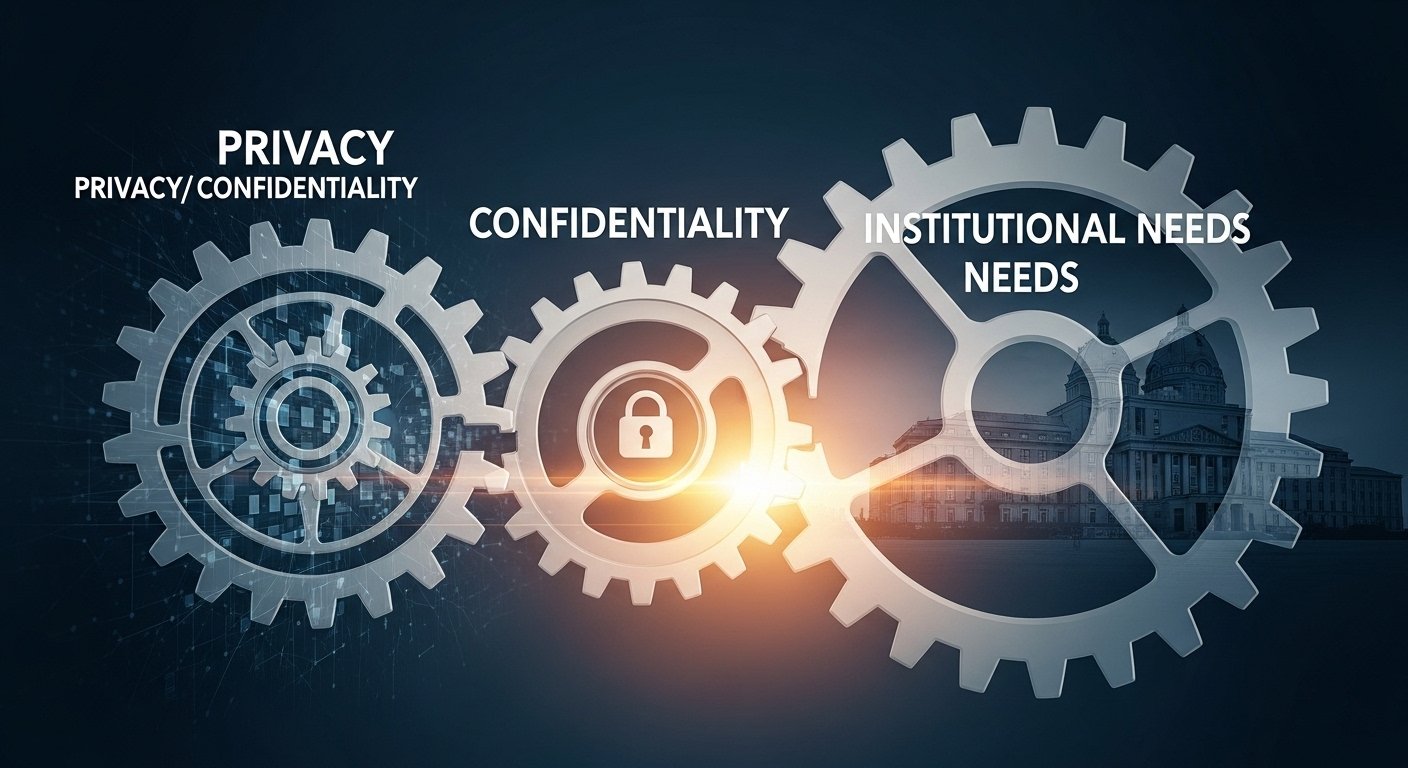
Banks cannot publish everything on a public ledger. Corporate financing involves confidential terms and sensitive data. The future of DeFi & Sustainable Banking likely includes selective transparency: proving compliance and impact without exposing proprietary details. Technical approaches can support this, but governance and policy must guide what is acceptable.
Standardization as the Scaling Mechanism
If every bank and every protocol uses different definitions and data formats, nothing scales. Standardization—of metrics, disclosures, and verification methods—is what turns pilots into market infrastructure. The Net Zero Summit focus on outcomes reinforces this: standards are not bureaucracy; they are the foundation of credible scaling.
Conclusion: A Practical Path Forward for DeFi and Sustainable Banking
DeFi & Sustainable Banking at the Net Zero Summit is not a trendy collision of buzzwords—it reflects a real market need. Net zero goals demand capital at unprecedented scale, plus transparency that can withstand scrutiny. DeFi offers programmable infrastructure that can automate finance and improve traceability. Sustainable banking offers credibility, compliance, and institutional capital.
The most promising future is not one where DeFi replaces banks, but one where banks and DeFi builders collaborate on climate-grade infrastructure: tokenized green instruments with verified standards, sustainability-linked finance with enforceable outcomes, and transparent reporting that reduces the trust gap. The biggest risks—greenwashing, data quality failures, security vulnerabilities, and regulatory uncertainty—are also manageable if both sides commit to rigorous governance and shared standards.
In short, the Net Zero Summit spotlight on DeFi & Sustainable Banking is a signal that climate finance is evolving into a more transparent, technology-enabled system. The winners will be the institutions and innovators who focus less on hype and more on durable, measurable impact.
FAQs
Q: How does DeFi support sustainable banking goals?
DeFi can support sustainable banking by enabling programmable financing structures, faster settlement, and auditable fund flows that improve transparency for climate finance and net zero commitments.
Q: Can DeFi reduce greenwashing in sustainable finance?
It can help if the system includes strong verification and governance. On-chain transparency can expose inconsistencies, but it only works when the underlying climate data and standards are credible.
Q: Are tokenized carbon credits automatically trustworthy?
No. Tokenization can improve traceability, but it does not fix poor credit quality. Integrity still depends on project validity, additionality, and reliable measurement and verification.
Q: What role do banks play in making DeFi climate-ready?
Banks contribute compliance, risk management, credit underwriting, and governance frameworks that can help DeFi-based climate products become institutionally scalable and trustworthy.
Q: What is the biggest barrier to scaling DeFi and sustainable banking together?
The biggest barriers are regulatory uncertainty, data integrity challenges, and the need for standardized definitions and verification methods that ensure climate claims are accurate and comparable.
Also Read: Morgan Stanley Seeks Crypto Talent for DeFi Build
