

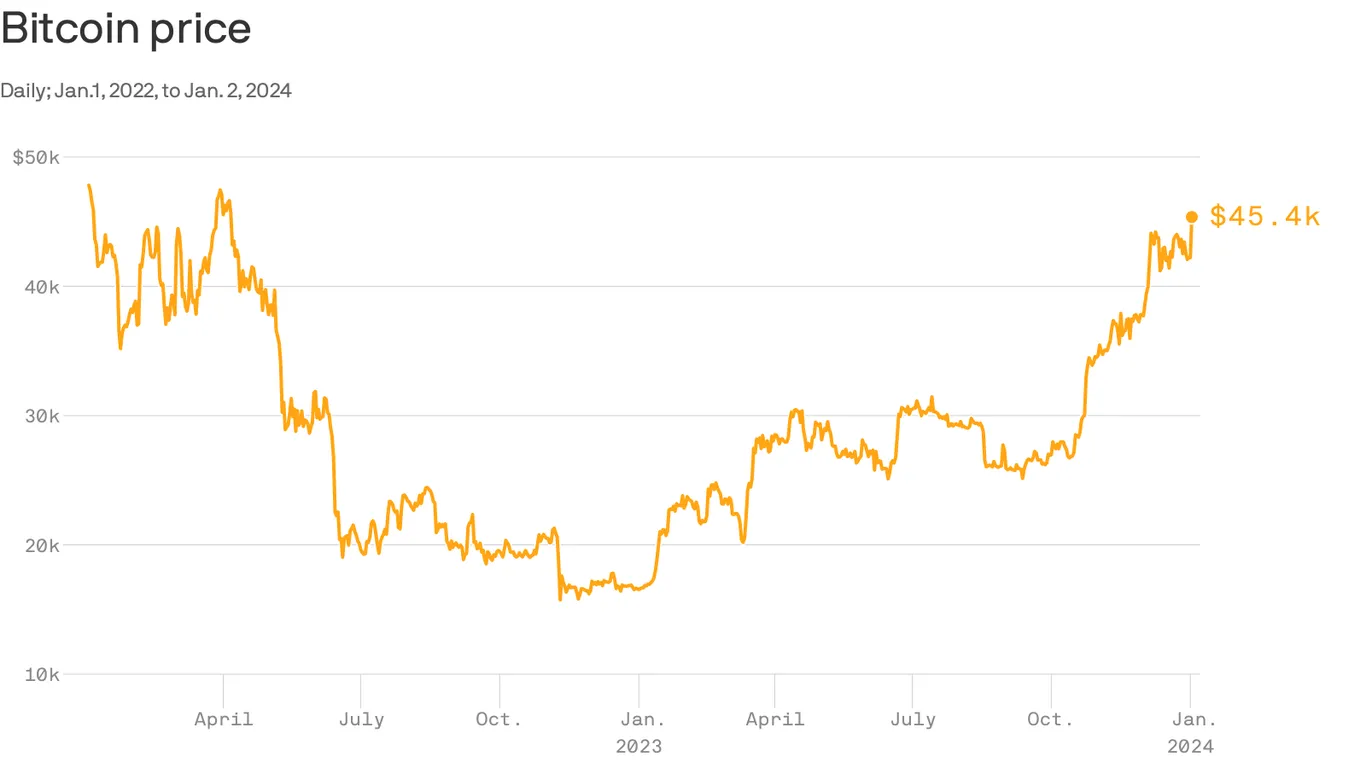
The cryptocurrency market experienced significant turbulence over the past week, with Bitcoin facing one of its most challenging periods in recent months. After a sharp decline that shook investor confidence and triggered widespread concerns about the strength of the current bull cycle, the world’s largest cryptocurrency managed to find support and stabilize above the $63,000 mark. The recovery came largely due to improving macroeconomic conditions, which acted as a crucial lifeline for risk assets and prevented a deeper correction.
For traders, investors, and market analysts, the recent price action highlights the increasingly important relationship between Bitcoin, traditional financial markets, and global economic trends. While digital assets were once considered largely independent from broader market forces, recent years have demonstrated that Bitcoin price movements are often heavily influenced by macroeconomic developments, central bank policies, inflation data, and investor sentiment.
The latest stabilization above $63,000 suggests that market participants remain optimistic about Bitcoin’s long-term prospects despite short-term volatility. This resilience comes at a time when institutional adoption continues to grow, spot Bitcoin ETF demand remains significant, and expectations surrounding monetary policy shifts continue to shape investor behavior.
In this article, we will explore the factors behind Bitcoin’s difficult week, examine the macroeconomic developments that fueled the recovery, analyze technical indicators, and discuss what the future may hold for the cryptocurrency market.
Bitcoin’s Worst Week in Months
Bitcoin entered the week under considerable pressure as selling activity intensified across major exchanges. Several factors contributed to the decline, including profit-taking by short-term investors, uncertainty surrounding interest rates, and broader weakness across risk assets.
The sudden downturn caught many traders off guard. After spending several weeks consolidating within a relatively stable range, Bitcoin experienced increased volatility that pushed prices lower. Liquidations in leveraged positions further accelerated the decline, creating a cascade effect that amplified market fear.
Market participants who had become accustomed to steady upward momentum suddenly faced a reality check. The correction reminded investors that despite growing institutional participation, Bitcoin remains a highly volatile asset capable of experiencing sharp price swings.
What made this particular week notable was the speed at which sentiment shifted. Optimism quickly turned into caution as traders reassessed risk exposure and questioned whether the recent rally had moved too far, too fast.
Investor Sentiment Takes a Hit
Investor sentiment plays a critical role in cryptocurrency markets, and during the downturn, fear indicators began to rise. Social media discussions became increasingly bearish, while many analysts warned of further downside risks.
Short-term holders appeared particularly vulnerable as declining prices triggered stop-loss orders and panic selling. Meanwhile, long-term investors largely maintained their positions, viewing the correction as a normal part of Bitcoin’s market cycle.
Historical data suggests that periods of fear often create opportunities for strategic investors. Previous Bitcoin corrections have frequently been followed by strong recoveries once selling pressure subsides and confidence returns.
The Macro Rescue That Changed Everything
Just as concerns about a deeper correction intensified, a series of favorable macroeconomic developments helped stabilize financial markets. These factors contributed significantly to Bitcoin’s ability to reclaim support levels and remain above $63,000.
Global investors closely monitor economic indicators because they influence expectations regarding interest rates, liquidity, and investment flows. During the latter part of the week, economic data and policy expectations shifted in a way that improved sentiment toward risk assets.
As traditional markets recovered, Bitcoin benefited from renewed investor confidence. The cryptocurrency’s increasingly strong correlation with broader financial markets meant that positive macro news provided immediate support.
Inflation Expectations Improve
One of the key drivers behind the recovery was improving inflation expectations. Markets interpreted recent economic signals as evidence that inflationary pressures may be easing.
Lower inflation expectations can have significant implications for financial markets because they reduce the likelihood of aggressive monetary tightening. Investors generally view this environment as favorable for growth-oriented and risk-sensitive assets such as cryptocurrencies. For Bitcoin, the prospect of a more accommodative monetary environment creates conditions that often support higher valuations. Increased liquidity and lower borrowing costs tend to encourage investment in alternative assets.
Interest Rate Outlook Supports Risk Assets
Interest rates remain one of the most important factors influencing cryptocurrency markets. Higher rates increase the attractiveness of traditional fixed-income investments, while lower rates typically encourage investors to seek higher returns elsewhere.
Recent developments led many market participants to believe that central banks may adopt a less restrictive stance in the future. This shift improved risk appetite across global markets and contributed to Bitcoin’s rebound. As expectations for future rate cuts gained traction, investors returned to assets that had previously come under pressure, including digital currencies.
Why Bitcoin Remains Strong Above $63,000
Despite experiencing substantial volatility, Bitcoin’s ability to remain above $63,000 demonstrates underlying market strength. Several factors continue to support the cryptocurrency’s long-term outlook. The first is institutional demand. Major financial institutions continue expanding their exposure to digital assets through investment products, custody services, and infrastructure development. This growing participation provides a foundation of support that was largely absent during previous market cycles.
Additionally, Bitcoin’s fixed supply remains one of its most attractive characteristics. With only 21 million coins ever to exist, scarcity continues to drive long-term value propositions among investors seeking protection against currency debasement.
ETF Demand Continues to Matter
The introduction and expansion of Spot Bitcoin ETFs have fundamentally changed the market landscape. These investment vehicles make Bitcoin more accessible to traditional investors and have created a consistent source of demand.
Even during periods of volatility, ETF participation helps absorb selling pressure. Institutional investors often maintain longer investment horizons, reducing the likelihood of panic-driven exits during short-term corrections. As more capital flows into Bitcoin-related investment products, the cryptocurrency gains additional legitimacy within the global financial system.
Long-Term Holders Remain Confident
Blockchain data consistently shows that long-term holders play a crucial role in market stability. These investors tend to accumulate during periods of weakness rather than sell into panic.
Their behavior reflects confidence in Bitcoin’s future potential and contributes to reduced circulating supply. When fewer coins are available for sale, upward price movements can become more pronounced once demand increases. This dynamic continues to support bullish long-term projections despite periodic corrections.
Technical Analysis of Bitcoin’s Recovery
From a technical perspective, Bitcoin’s recovery above $63,000 carries important implications for future price action. Technical analysts closely monitor support and resistance levels to assess market strength. The ability to defend key support zones suggests that buyers remain active and willing to enter the market at current prices. Strong buying activity during declines often signals healthy market conditions. Several indicators also point toward improving momentum following the recovery. Trading volume increased during the rebound, indicating genuine participation rather than a temporary relief rally.
Key Resistance Levels Ahead
Although Bitcoin has stabilized, significant challenges remain. Resistance levels above current prices could limit upside momentum in the near term. Breaking through these barriers would likely require continued positive macroeconomic developments, strong institutional inflows, and sustained investor confidence. If these conditions align, Bitcoin could potentially resume its broader upward trend.
Support Zones Remain Critical
On the downside, maintaining support above $63,000 remains essential. A sustained move below this level could reignite bearish sentiment and trigger additional selling pressure. However, current market structure suggests that buyers are actively defending important support areas, reducing the likelihood of an immediate breakdown.
The Growing Influence of Macroeconomic Factors on Bitcoin
Bitcoin’s recent recovery highlights an important evolution in the cryptocurrency market. Unlike earlier years when digital assets often moved independently, Bitcoin now reacts significantly to macroeconomic developments. This shift is largely due to increased institutional participation. Professional investors evaluate Bitcoin alongside other asset classes and adjust exposure based on economic conditions.
As a result, factors such as inflation data, employment reports, GDP growth, and central bank decisions have become increasingly relevant to cryptocurrency investors.
Global Liquidity and Bitcoin
Liquidity remains one of the strongest drivers of asset prices. When liquidity expands, capital often flows into growth-oriented investments, including cryptocurrencies.
Bitcoin has repeatedly benefited from periods of abundant liquidity. Conversely, tighter financial conditions tend to create headwinds for speculative assets. The recent macro rescue effectively reassured investors that liquidity conditions may become more favorable in the future, contributing to the rebound.
Institutional Adoption Strengthens Market Structure
The continued involvement of major financial institutions helps create a more mature market environment. Institutional investors often bring sophisticated risk management practices and longer investment horizons. Their presence can reduce extreme volatility over time while increasing overall market depth. This trend supports Bitcoin’s transition from a niche digital asset into a globally recognized investment vehicle.
What Investors Should Watch Next
Looking ahead, several factors will likely determine Bitcoin’s direction over the coming weeks and months. Macroeconomic data will remain a primary focus. Inflation reports, central bank communications, and labor market indicators will continue influencing investor expectations regarding monetary policy.
Additionally, ETF flows will provide valuable insight into institutional demand. Strong inflows could support further gains, while persistent outflows may create downward pressure. Market participants should also monitor blockchain activity, exchange reserves, and long-term holder behavior to gauge underlying market health.
Potential Bullish Catalysts
Several developments could support higher Bitcoin prices in the future. Improved economic conditions, lower interest rates, increased ETF adoption, and growing institutional participation all represent potential catalysts. Furthermore, continued recognition of Bitcoin as a legitimate asset class could attract additional capital from pension funds, wealth managers, and corporate treasuries.
Risks That Could Impact Bitcoin
Despite the positive recovery, risks remain. Unexpected economic weakness, regulatory uncertainty, geopolitical tensions, or renewed inflation concerns could negatively affect market sentiment.Investors should remain aware of these risks while maintaining a balanced perspective on Bitcoin’s long-term potential.
Conclusion
Bitcoin’s ability to steady above $63,000 after its worst week in months demonstrates the resilience of the cryptocurrency market. While the recent correction created uncertainty and tested investor confidence, favorable macroeconomic developments ultimately provided the support needed for stabilization.
The episode serves as a reminder that Bitcoin price movements are increasingly influenced by broader economic conditions. Inflation expectations, interest rate outlooks, liquidity trends, and institutional participation now play critical roles in shaping market direction.
Although challenges remain, Bitcoin continues to benefit from growing adoption, strong institutional interest, and a compelling long-term value proposition. As the market moves forward, investors will closely watch both macroeconomic developments and on-chain indicators to assess whether the current recovery can evolve into the next phase of sustained growth.
